What a new floor costs in Minnesota.
Eight materials, installed ranges from Minneapolis to Duluth, and a cost estimator that runs in the page. No forms, no email gate, and nobody calls you afterwards.
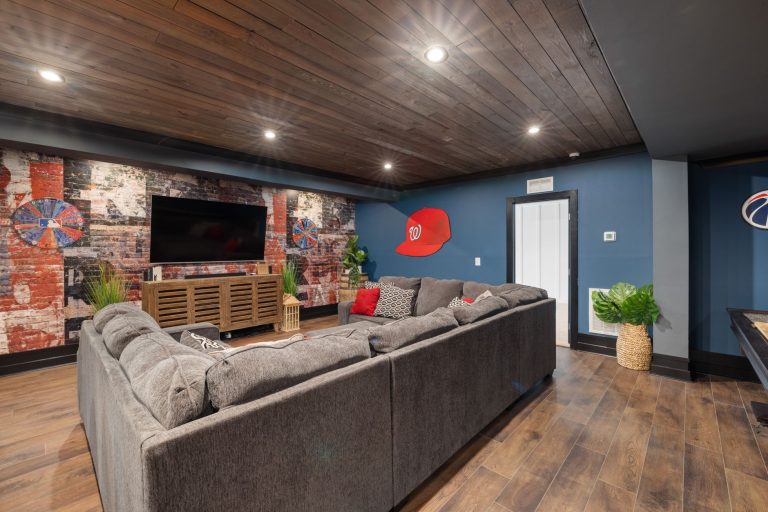
Basement & lower level
Below grade, on concrete, with frost and moisture to plan for.
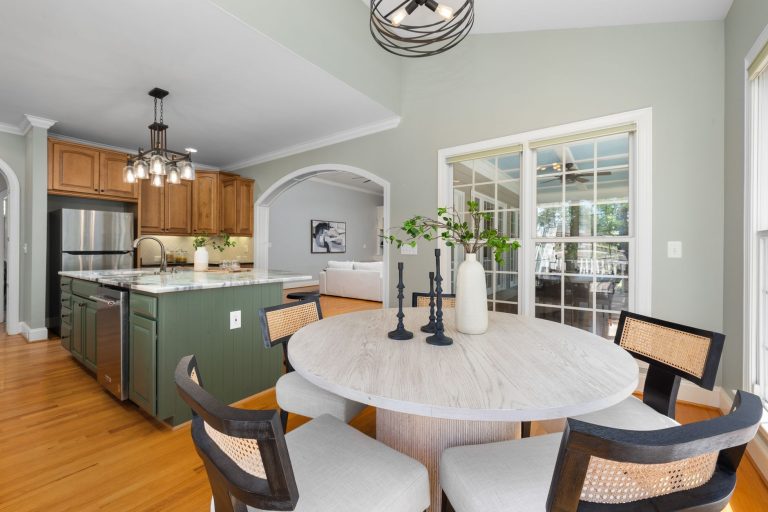
Kitchen
Spills, chairs and standing all evening.
Living room
The floor everyone sees first.
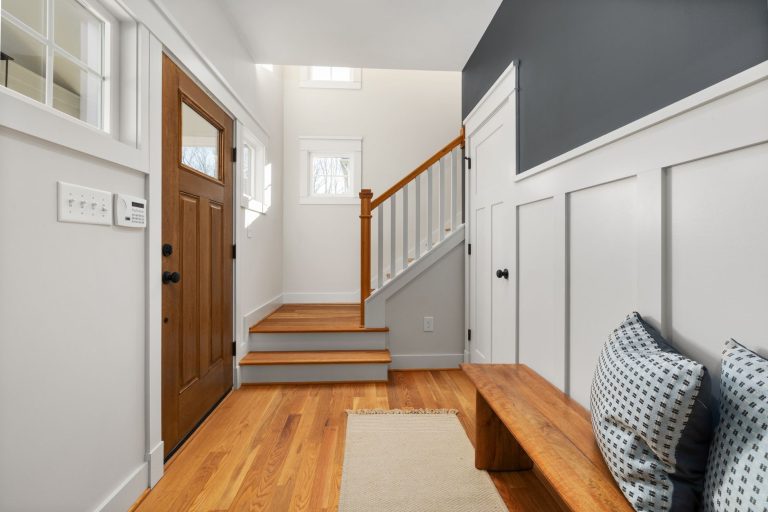
Entry & mudroom
Salt, snowmelt and boots, five months a year.
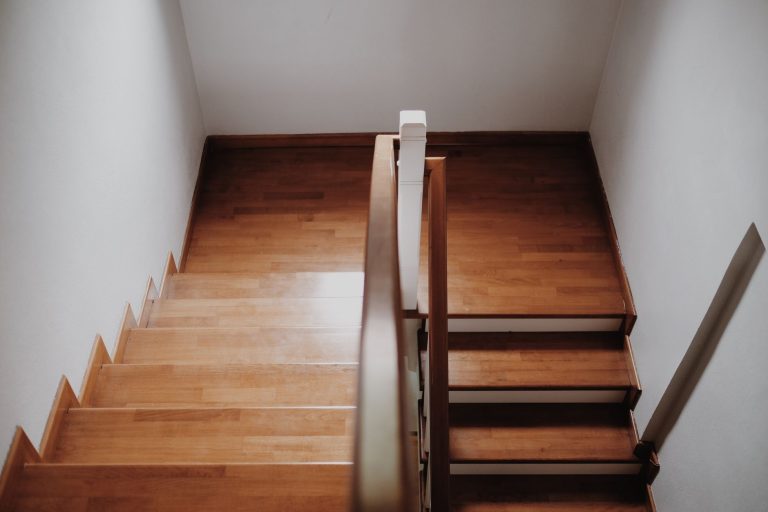
Stairs
The most-walked surface in the house.
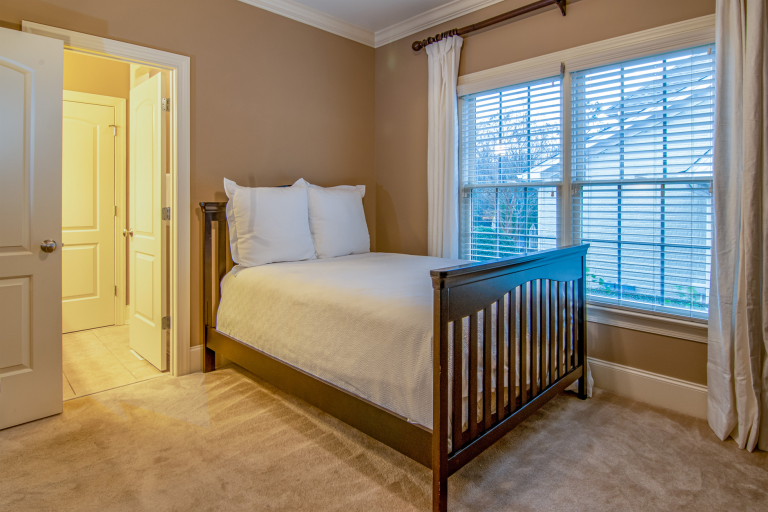
Bedrooms
Quiet, warm, and cheaper per square foot.
Eight kinds of floor
What each one is good at, what it costs installed here, and the rooms where it is the wrong answer.
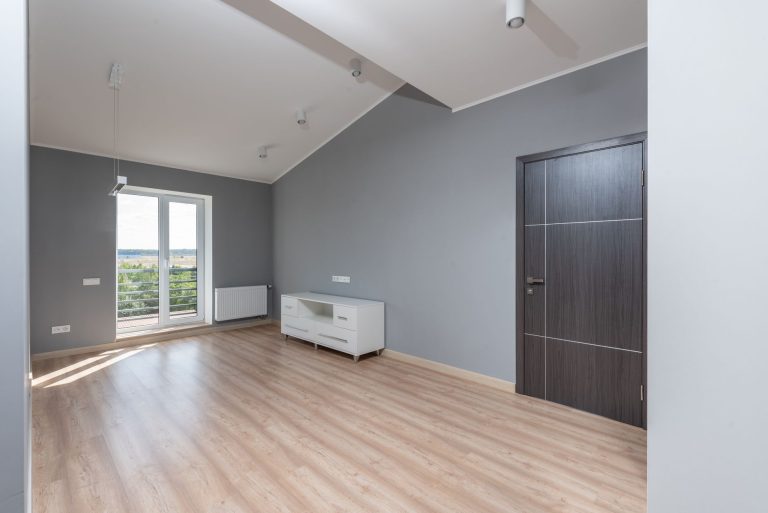
Hardwood
Solid and engineered. Still the best resale return on this list.
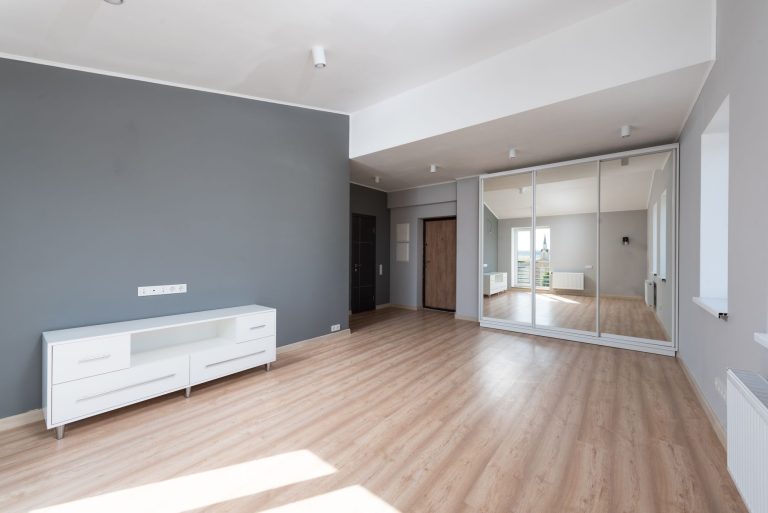
Luxury Vinyl Plank
Waterproof, and the usual answer below grade.
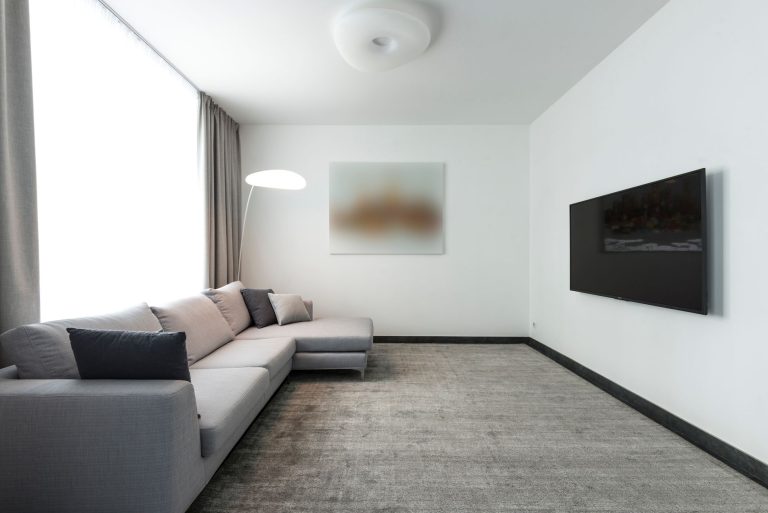
Carpet
Bedrooms, lower levels and the coldest rooms in the house.
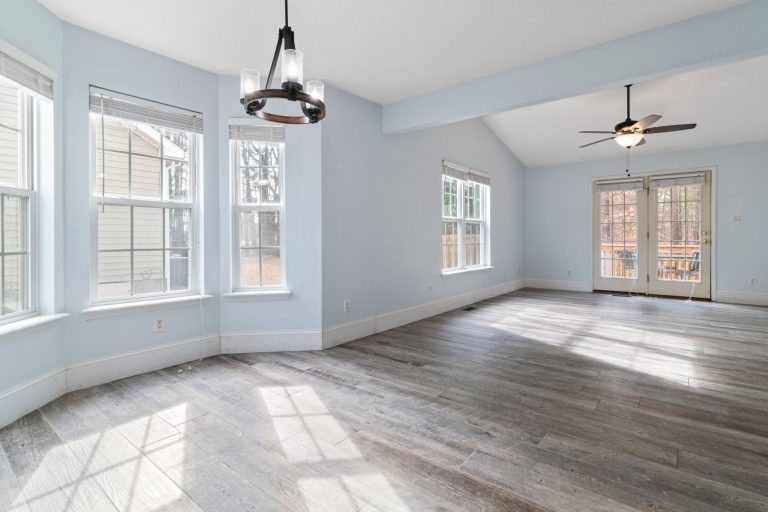
Refinishing
Sand, stain and seal the boards already under the carpet.
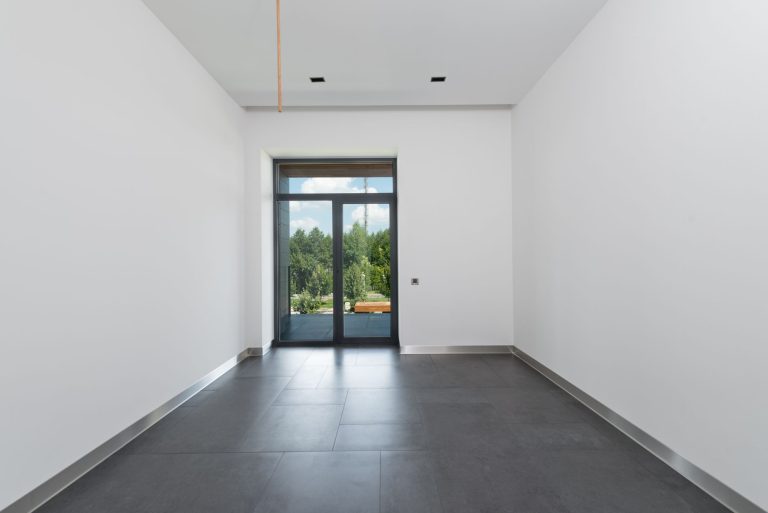
Tile & Porcelain
Entries and mudrooms that take salt and snowmelt all winter.
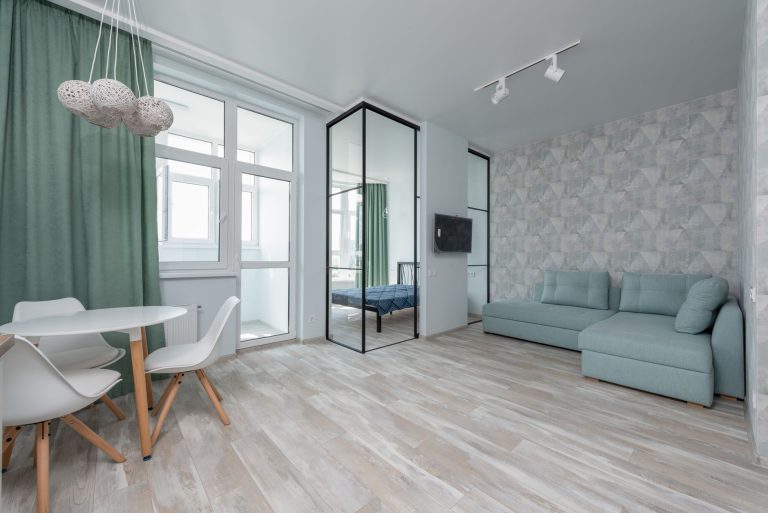
Laminate
The budget end done properly — and where it is a false economy.
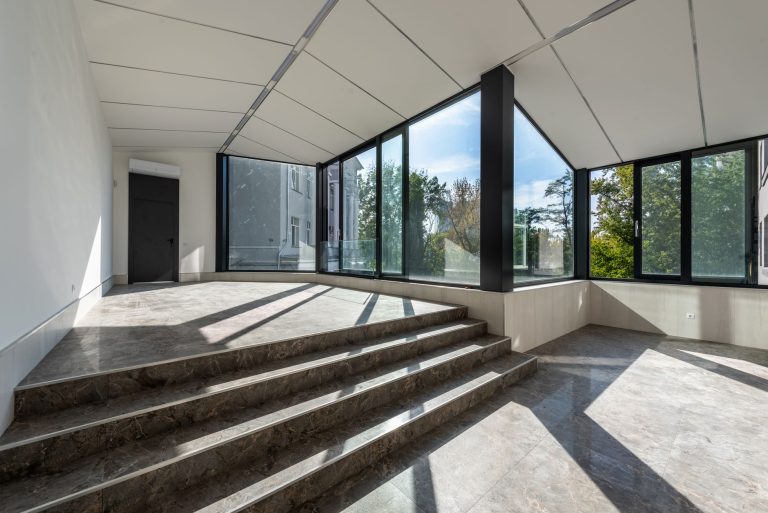
Natural Stone
Foyers and hearths, where the floor does the talking.
Stairs & Landings
Treads, risers and railings, split-level included.
Installed ranges across Minnesota
Materials and labor together. The Twin Cities metro sits at the top of each band; Duluth, St. Cloud and greater Minnesota sit at the bottom.
| Work | Installed range | |
|---|---|---|
| Hardwood, installed | $6 – $22 | per sq ft |
| Luxury vinyl plank | $2 – $12 | per sq ft |
| Carpet, installed | $2 – $8 | per sq ft |
| Laminate | $3 – $9 | per sq ft |
| Refinish existing boards | $3 – $8 | per sq ft |
| Tile, installed | $9 – $15 | per sq ft |
| Removing the old floor | $1 – $4 | per sq ft |
An estimate, not a quote. These are planning ranges for Minnesota, not a quote. What you actually pay depends on your rooms, your subfloor and the material you choose.
Work out your own number
Your room, your material, what is already down. It runs in the page, it does not ask for your email, and nobody calls you afterwards.
- Runs entirely in your browser — nothing is sent anywhere unless you ask us to email it.
- Splits the number into materials, labor and the extras that actually move a flooring bill.
- Regional labor differences are applied to labor only, because that is the part that varies.
- No email required, no phone number, and nobody calls you.
Four things that are specific to Minnesota
Your flooring installer probably does not need a Minnesota license — and that is legal
Minnesota licenses residential building contractors and remodelers through the Department of Labor and Industry. But the licensing trigger is doing work in TWO OR MORE special skills; a specialty contractor offering only one — flooring, and nothing else — is exempt by statute. So an unlicensed flooring-only installer here is not cutting a corner, they are operating exactly as the law allows. What it means for you is that the license is not the check in this state. Insurance, references and a written contract are.
Ask for the certificate of insurance anyway
Because the license requirement does not reach most flooring-only installers, general liability and workers' compensation coverage carry more weight in Minnesota than in states where a board is already screening people. Ask for the certificate, check it is current for the dates your job runs, and confirm the company named on it is the company you are hiring.
The heating season is what moves a wood floor here
Minnesota winter is not just cold, it is dry. Months of heated indoor air pull moisture out of wood flooring and the boards shrink. Gaps that open in February and close in July are normal seasonal movement, not a defect. It is why acclimating material in the room before installation matters more here than almost anywhere, and why whole-house humidity is part of the flooring conversation.
Frost, basements and below-grade moisture
Frost drives deep in Minnesota and nearly every house has a full basement. Below-grade concrete moves moisture whether or not you have ever seen water, which is why luxury vinyl plank has taken over lower levels: waterproof, dimensionally stable, and it floats over a slab. Solid hardwood below grade is a mistake that takes about two winters to show up.
median year built, Minneapolis
median year built, Woodbury
of Minneapolis homes predate 1940
of Woodbury homes do
Across Minnesota
Nine Minnesota cities, each with its own housing stock and its own answer. Every figure on these pages is that city's own Census number, not a state average.
Questions people actually ask
Does my flooring contractor need a license in Minnesota?
Usually not, and that is legal. Minnesota licenses residential building contractors and remodelers through the Department of Labor and Industry, but the requirement is triggered by working in two or more special skills. A contractor who only installs flooring provides one skill and is exempt by statute. Check insurance, references and the written contract instead — those are the real checks in this state.
What flooring works in a Minnesota basement?
Luxury vinyl plank in most cases — waterproof, stable across the temperature swing, and it floats over a concrete slab. Carpet works in a dry, finished lower level with a below-grade rated pad and a vapor barrier. Solid hardwood does not belong below grade here.
Why do my floorboards gap every winter?
Months of heated indoor air is very dry, and wood gives up moisture and shrinks. Gaps that open in deep winter and close by summer are normal seasonal movement. Whole-house humidity in the 30–40% range through the heating season keeps it in check.
Why is flooring cheaper in greater Minnesota than in the Twin Cities?
Material is a national commodity and costs about the same everywhere. Labor is not, and it is the only part of an installed price that genuinely varies across the state. The Twin Cities metro sits at the top of each band; Duluth, St. Cloud and rural counties sit at the bottom.